Welcome to the EGGhead Forum - a great place to visit and packed with tips and EGGspert advice! You can also join the conversation and get more information and amazing kamado recipes by following Big Green Egg to Experience our World of Flavor™ at:
Want to see how the EGG is made? Click to Watch
Facebook | Twitter | Instagram | Pinterest | Youtube | Vimeo
Share your photos by tagging us and using the hashtag #BigGreenEgg.
Share your photos by tagging us and using the hashtag #BigGreenEgg.
Want to see how the EGG is made? Click to Watch
Aaron Franklin Masterclass

bicktrav
Posts: 640
This has been discussed here before, but I'm watching the Aaron Franklin Masterclass right now, so I figured I would add my two cents: It's fantastic and definitely worth it. I've watched his PBS stuff/read his book, and while the Masterclass retreads much of that material, it's also jammed with granular details and new insights that make a big difference. Plus, the program has downloadable pdfs that are useful for cooks, and Franklin is just super charismatic and fun to watch. Anyway, I'm really loving it -- definitely worth the price of admission IMO.
Southern California
Comments
-
Does the class address using the BGE or Kamado style smokers?
-
Curious for the answer to the question above.... I went to Franklin BBQ and spoke with Aaron very briefly. He is very gracious and goes table to table to make sure everyone is enjoying the food. I told him I have a Big Green Egg. He then told me he is not a fan of the egg. He believes it is more like cooking in an oven and harder to get the true smoked meat flavor.
I then cried into my pile of brisket and devoured it.
Hasbrouck Heights, NJ
XL Egg -
That's not a surprising take from a guy who cuts up propane tanks to hand craft bbqs.lowandslow said:Curious for the answer to the question above.... I went to Franklin BBQ and spoke with Aaron very briefly. He is very gracious and goes table to table to make sure everyone is enjoying the food. I told him I have a Big Green Egg. He then told me he is not a fan of the egg. He believes it is more like cooking in an oven and harder to get the true smoked meat flavor.
I then cried into my pile of brisket and devoured it.Plymouth, MN -
No, he doesn't address cooking on a BGE or Kamado, but 80 percent of the course is still applicable. He teaches you how to select meat, how to trim it, season it, design temps for it, and wrap it. He teaches you what to look for during the cook--dry edges, for example--and how to adjust your cook to compensate. He gives you a million little pointers, like how to hold your shaker so that you dispense more salt than pepper and vica versa, or how much seasoning to apply in fatty areas vs lean areas, etc. And the parts of the class that are only applicable to stick burners are still awesome and interesting.dstearn said:Does the class address using the BGE or Kamado style smokers?Southern California -
Yeah, I've heard him say that he's not in love with kamados. I get what he's saying in that the wood you throw in an egg doesn't combust the way it does in an offset because there is too little oxygen once you close the dome. In an egg, wood doesn't burn, it smolders and smokes, and that variety of combustion doesn't generate the same flavor as a raging wood fire. And since the wood isn't burning at full clip, it's not generating heat; your heat source comes from the mostly flavorless lump. That said, there are huge advantages to kamados. The biggest is that you don't have to sit by the fire and feed it for twelve hours at a time. Between kids and work, I never have a day to myself to just tend to a fire, so, although the smoke flavor might be superior in an offset, I would literally never use it. Plus, I think the flavor you get out of a BGE can get you pretty damn close.lowandslow said:Curious for the answer to the question above.... I went to Franklin BBQ and spoke with Aaron very briefly. He is very gracious and goes table to table to make sure everyone is enjoying the food. I told him I have a Big Green Egg. He then told me he is not a fan of the egg. He believes it is more like cooking in an oven and harder to get the true smoked meat flavor.
I then cried into my pile of brisket and devoured it.Southern California -
perfectly said - no wasted words - I agree 110% - BRAVO BRAVO BRAVO !!!Yeah, I've heard him say that he's not in love with kamados. I get what he's saying in that the wood you throw in an egg doesn't combust the way it does in an offset because there is too little oxygen once you close the dome. In an egg, wood doesn't burn, it smolders and smokes, and that variety of combustion doesn't generate the same flavor as a raging wood fire. And since the wood isn't burning at full clip, it's not generating heat; your heat source comes from the mostly flavorless lump. That said, there are huge advantages to kamados. The biggest is that you don't have to sit by the fire and feed it for twelve hours at a time. Between kids and work, I never have a day to myself to just tend to a fire, so, although the smoke flavor might be superior in an offset, I would literally never use it. Plus, I think the flavor you get out of a BGE can get you pretty damn close.Columbus, OH
“There are only two ways to live your life. One is as though nothing is a miracle. The other is as if everything is” -
Thank you! Felt like I nailed that one!NDG said:
perfectly said - no wasted words - I agree 110% - BRAVO BRAVO BRAVO !!!Yeah, I've heard him say that he's not in love with kamados. I get what he's saying in that the wood you throw in an egg doesn't combust the way it does in an offset because there is too little oxygen once you close the dome. In an egg, wood doesn't burn, it smolders and smokes, and that variety of combustion doesn't generate the same flavor as a raging wood fire. And since the wood isn't burning at full clip, it's not generating heat; your heat source comes from the mostly flavorless lump. That said, there are huge advantages to kamados. The biggest is that you don't have to sit by the fire and feed it for twelve hours at a time. Between kids and work, I never have a day to myself to just tend to a fire, so, although the smoke flavor might be superior in an offset, I would literally never use it. Plus, I think the flavor you get out of a BGE can get you pretty damn close.Southern California -
I read he uses post oak for his firewood. Would throwing post oak chunks into the Egg get a brisket closer in flavor to Frankin’s?
-
I've smoked with post oak chunks in the egg. It's great, but for all the reasons I mentioned in the post above, you really can't achieve the same flavor as he does on his offset. The wood just doesn't combust in the same way. But using post oak in the BGE still makes for an awesome brisket. I would definitely recommend it.Jcl5150 said:I read he uses post oak for his firewood. Would throwing post oak chunks into the Egg get a brisket closer in flavor to Frankin’s?Southern California -
Thanks for the tip! I’m definitely going to try using it. I found a bag of post oak chunks on Amazon that seemed to be a good pricebicktrav said:
I've smoked with post oak chunks in the egg. It's great, but for all the reasons I mentioned in the post above, you really can't achieve the same flavor as he does on his offset. The wood just doesn't combust in the same way. But using post oak in the BGE still makes for an awesome brisket. I would definitely recommend it.Jcl5150 said:I read he uses post oak for his firewood. Would throwing post oak chunks into the Egg get a brisket closer in flavor to Frankin’s? -
I only use post oak chunks in my egg and I cut them from firewood (the store bought ones are all kiln dried).I have spent a lot of time working on trying to get the cleanest possible fire working with a bge and I am pretty damn close. I’m knee deep in 350lbs of sausage casing at the moment so I’ll get into all of the details later if you want.To cut to the chase:
fill your firebox up to the bottom of the ring, add 3-4 wood chunks and then dump a full lit chimney of lump on top of that, get your temp where you want it and cook away.The ignited lump purifies the smoke As it passes through and gets as close as an offset /wood burning out as i have found. I can barely tell the difference anymore. Cooked on my kbq last night and couldn’t really tell the difference. Maybe a tiny bit but not enough for most to notice.Keepin' It Weird in The ATX FBTX -
Thanks so much for this. I’m definitely going to give post oak a try.The Cen-Tex Smoker said:I only use post oak chunks in my egg and I cut them from firewood (the store bought ones are all kiln dried).I have spent a lot of time working on trying to get the cleanest possible fire working with a bge and I am pretty damn close. I’m knee deep in 350lbs of sausage casing at the moment so I’ll get into all of the details later if you want.To cut to the chase:
fill your firebox up to the bottom of the ring, add 3-4 wood chunks and then dump a full lit chimney of lump on top of that, get your temp where you want it and cook away.The ignited lump purifies the smoke As it passes through and gets as close as an offset /wood burning out as i have found. I can barely tell the difference anymore. Cooked on my kbq last night and couldn’t really tell the difference. Maybe a tiny bit but not enough for most to notice. -
Except that an offset does not need a raging fire. Just a good bed of coals and a small flaming fire. It’s advantage is that it produces a more pure, clean smoke.NDG said:
perfectly said - no wasted words - I agree 110% - BRAVO BRAVO BRAVO !!!Yeah, I've heard him say that he's not in love with kamados. I get what he's saying in that the wood you throw in an egg doesn't combust the way it does in an offset because there is too little oxygen once you close the dome. In an egg, wood doesn't burn, it smolders and smokes, and that variety of combustion doesn't generate the same flavor as a raging wood fire. And since the wood isn't burning at full clip, it's not generating heat; your heat source comes from the mostly flavorless lump. That said, there are huge advantages to kamados. The biggest is that you don't have to sit by the fire and feed it for twelve hours at a time. Between kids and work, I never have a day to myself to just tend to a fire, so, although the smoke flavor might be superior in an offset, I would literally never use it. Plus, I think the flavor you get out of a BGE can get you pretty damn close.
Just depends on the quality level you are happy with compared to time involved maintaining temp control.
A good quality brisket, fresh off the Egg, will rival all but the very best BBQ joints. Especially because many BBQ joints don’t always serve the brisket at its prime time. Who knows how long it has sat, partially sliced and wrapped back up.Places like AF are the exception, not the norm.Thank you,DarianGalveston Texas -
100%Photo Egg said:
Except that an offset does not need a raging fire. Just a good bed of coals and a small flaming fire. It’s advantage is that it produces a more pure, clean smoke.NDG said:
perfectly said - no wasted words - I agree 110% - BRAVO BRAVO BRAVO !!!Yeah, I've heard him say that he's not in love with kamados. I get what he's saying in that the wood you throw in an egg doesn't combust the way it does in an offset because there is too little oxygen once you close the dome. In an egg, wood doesn't burn, it smolders and smokes, and that variety of combustion doesn't generate the same flavor as a raging wood fire. And since the wood isn't burning at full clip, it's not generating heat; your heat source comes from the mostly flavorless lump. That said, there are huge advantages to kamados. The biggest is that you don't have to sit by the fire and feed it for twelve hours at a time. Between kids and work, I never have a day to myself to just tend to a fire, so, although the smoke flavor might be superior in an offset, I would literally never use it. Plus, I think the flavor you get out of a BGE can get you pretty damn close.
Just depends on the quality level you are happy with compared to time involved maintaining temp control.
A good quality brisket, fresh off the Egg, will rival all but the very best BBQ joints. Especially because many BBQ joints don’t always serve the brisket at its prime time. Who knows how long it has sat, partially sliced and wrapped back up.Places like AF are the exception, not the norm.Keepin' It Weird in The ATX FBTX -
This is really interesting. Why does the ignited lump purify the smoke?The Cen-Tex Smoker said:I only use post oak chunks in my egg and I cut them from firewood (the store bought ones are all kiln dried).I have spent a lot of time working on trying to get the cleanest possible fire working with a bge and I am pretty damn close. I’m knee deep in 350lbs of sausage casing at the moment so I’ll get into all of the details later if you want.To cut to the chase:
fill your firebox up to the bottom of the ring, add 3-4 wood chunks and then dump a full lit chimney of lump on top of that, get your temp where you want it and cook away.The ignited lump purifies the smoke As it passes through and gets as close as an offset /wood burning out as i have found. I can barely tell the difference anymore. Cooked on my kbq last night and couldn’t really tell the difference. Maybe a tiny bit but not enough for most to notice.Southern California -
I’ll get to this tomorrow. Crazy day today.bicktrav said:
This is really interesting. Why does the ignited lump purify the smoke?The Cen-Tex Smoker said:I only use post oak chunks in my egg and I cut them from firewood (the store bought ones are all kiln dried).I have spent a lot of time working on trying to get the cleanest possible fire working with a bge and I am pretty damn close. I’m knee deep in 350lbs of sausage casing at the moment so I’ll get into all of the details later if you want.To cut to the chase:
fill your firebox up to the bottom of the ring, add 3-4 wood chunks and then dump a full lit chimney of lump on top of that, get your temp where you want it and cook away.The ignited lump purifies the smoke As it passes through and gets as close as an offset /wood burning out as i have found. I can barely tell the difference anymore. Cooked on my kbq last night and couldn’t really tell the difference. Maybe a tiny bit but not enough for most to notice.Keepin' It Weird in The ATX FBTX -
I got the post oak chunks from Western bbq that’s on Amazon for $13. Next time I do a brisket I’m going to throw them in once I get the Egg stabilized at temp and I’ll see how it goes!
-
sorry for the delay- that was one wild weekend and I fell asleep at 8:30 last night after all that!I have spent a lot of time (and a bit of coin) chasing clean smoke. Anyone who has watched this Franklin Masterclass (or any of his free stuff on youtube) will quickly understand his message that a fully oxygenated fire delivers clean smoke and a fire starved of oxygen delivers dirty smoke.In my search I came across a great article with correlating video of Dr. Greg Blonder on the pit master side of Amazing Ribs (the pay side). He basically broke down the science of fire, clean fire vs dirty fire, and how to achieve/avoid both. Basically, the same information as in the Franklin videos but way more detailed on the "why" part (it was an hour long video just about the science of fire if I remember right). The point is: A fully oxygenated fire, is clean burning fire and will give you very clean smoke with all the flavor compounds and steam that you are looking for when bbqing. Since the entire premise behind low and slow kamodo cooking is to starve the fire of oxygen, it's impossible to have a fully oxygenated fire in there and keep temps low enough for smoking food (you fully oxygenate a kamado and you are at 1000 degrees in minutes). You have to choke off the oxygen and that makes any wood in there smolder and give off nasty "dirty" smoke. after watching this lecture I finally understood the limitations of cooking in a vessel that required me to choke off oxygen to the fire.Now for the coin (stick with me, it will all come back to the BGE shortly). Once I realized that the only way to get clean smoke is to cook with a fully oxygenated fire, I knew I was going to have to buy an offset/wood burning smoker of some kind. In my search, I came across the Karubeque C-60 (it was mentioned in that Dr. Blonder video or advertised on the side bar or something like that). Meathead loves the kbq and mentions it often. I looked into it for months and decided it was the perfect fit for what I was looking for. 1- Full wood-burning pit, 2- small enough to throw in my pickup to take with me, and 3- would fit a lot of food in small package. The KBQ was built by an engineer in Dallas to address the issue with dirty smoke that is so common in people who cook with wood. He has an entire section of his site dedicated to clean smoke and I learned a ton from that too (link below). He addresses the dirty smoke issue by putting the fire box on top of the unit and has a fan draw the smoke down through the coal bed below. These uber-hot temps purify the smoke and only the good stuff (steam and flavenoids) pass through to the cook chamber. Pretty cool stuff.Soooooo- how does this have anything to do with kamado cooking and clean smoke? Well, I figured that if smoke can be drawn down through the coal bed with a fan and be purified like in my KBQ, it can certainly go up (its natural path) through a coal bed and do the same, or at least similar in a kamado. So if you place hot coals over your wood chunks in a BGE, the smoke from that wood has to pass upward through the hot lump and a lot of it gets purified and burns clean the same way it would in a fire that is fully oxygenated. It's not perfect but it is so much better than placing wood chunks on top of your hot lump and letting it smolder that most people could not tell the difference (BTW- I am not claiming in any way to be the first to think this or say this somewhere but I did come to it on my own after a lot of digging).Another point of reference for me was a video I watched of Harry Soo cooking a hot and fast brisket at 350. He did that one in a WSM but the same theory would be true in a kamado. He actually puts the chunks in first, then adds lump, then adds a chimney full of burning lump on top of all that. The hot fire heats the wood underneath and the wood releases a lot of its flavors via gasses and steam without ever being fully ignited. Any actual smoke has to pass upward through the coal bed (a 350 degree fire in a WSM is a pretty big fire) and that does a very serviceable job cleaning up any dirty smoke that may pass through.Having to cook bbq with a choked down fire is the reason Aaron Franklin and Meathead are not fans of Kamados (meathead also hates them because they are difficult to do his beloved 2-zone cooking but we all know that it's easy once you understand how to do a reverse sear etc).My opinion is the best smoke you can get in an oxygen starved environment (like a kamado) is to force the smoke upward through the coal bed. This will get you as close to cooking with a fully oxygenated wood fire as you can get in a kamado. And for most people, that's going to be really, really good. I get more "best brisket ever" off my egg in cooking classes than any other cooker I use. These people are not experts but who the hell is? And if they are, let them cook the damn brisket while you drink beer.some light reading on the subject of clean smoke and how to get it:Karubecue has a BBQEDU section on their site. Read all of it.Here is a pdf of a talk Dr. Blonder gave to the NBBQA with the same info as his video on amazing ribs. If you are nerdy, you will likey.Hope all this helps.TexKeepin' It Weird in The ATX FBTX
-
The above is a true masterpiece about managing Q. This should be required reading for anyone who aspires to really achieve consistent and excellent results.
@The Cen-Tex Smoker is a Q whisperer. Read if really wanting to lift your game...or go out and buy more and different cooking style toys!Louisville; Rolling smoke in the neighbourhood. Life is too short for light/lite beer! Seems I'm livin in a transitional period. CHEETO (aka Agent Orange) makes Nixon look like a saint. -
All true. I watched him cook a brisket on his karubecue a few days ago. He knows of whence he speaks.lousubcap said:The above is a true masterpiece about managing Q. This should be required reading for anyone who aspires to really achieve consistent and excellent results.
@The Cen-Tex Smoker is a Q whisperer. Read if really wanting to lift your game...or go out and buy more and different cooking style toys!XXL BGE, Karebecue, Klose BYC, Chargiller Akorn Kamado, Weber Smokey Mountain, Grand Turbo gasser, Weber Smoky Joe, and the wheelbarrow that my grandfather used to cook steaks from his cattle
San Antonio, TX
-
The above is why the gravity feed smokers are so popular. Wood smoke has to go thru the hot coals, and ends up very clean and light bluish out the stack. I built one, and it did exactly that. Made some great Q, and you didn’t have to baby sit it, as it had a Flameboss doing the control.
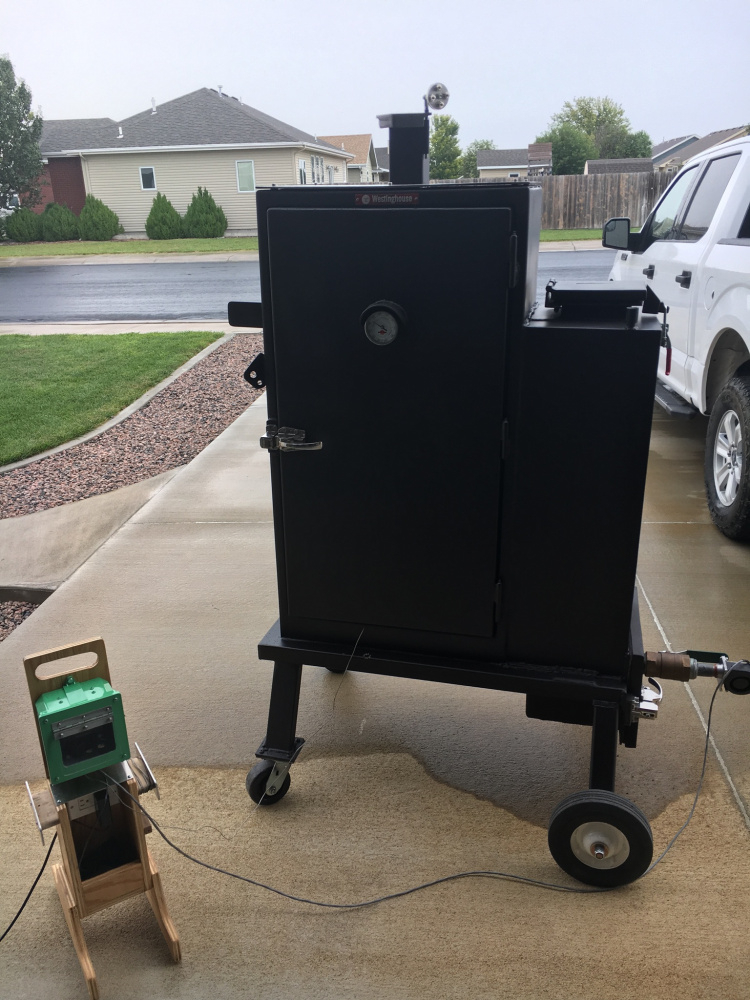
-
-
Correct. I was close to pulling the trigger on a gravity fed but I really wanted to cook with 100% wood. I will say the gravity fed cookers are the best way to get great results cooking with charcoal and wood chunks. If I were going to buy a “set and forget” type smoker, it would be a gravity fed hands down.littlerascal56 said:The above is why the gravity feed smokers are so popular. Wood smoke has to go thru the hot coals, and ends up very clean and light bluish out the stack. I built one, and it did exactly that. Made some great Q, and you didn’t have to baby sit it, as it had a Flameboss doing the control.Keepin' It Weird in The ATX FBTX -
WOW! This is pure gold. Thank you so much for taking the time to put all of this down!The Cen-Tex Smoker said:sorry for the delay- that was one wild weekend and I fell asleep at 8:30 last night after all that!I have spent a lot of time (and a bit of coin) chasing clean smoke. Anyone who has watched this Franklin Masterclass (or any of his free stuff on youtube) will quickly understand his message that a fully oxygenated fire delivers clean smoke and a fire starved of oxygen delivers dirty smoke.In my search I came across a great article with correlating video of Dr. Greg Blonder on the pit master side of Amazing Ribs (the pay side). He basically broke down the science of fire, clean fire vs dirty fire, and how to achieve/avoid both. Basically, the same information as in the Franklin videos but way more detailed on the "why" part (it was an hour long video just about the science of fire if I remember right). The point is: A fully oxygenated fire, is clean burning fire and will give you very clean smoke with all the flavor compounds and steam that you are looking for when bbqing. Since the entire premise behind low and slow kamodo cooking is to starve the fire of oxygen, it's impossible to have a fully oxygenated fire in there and keep temps low enough for smoking food (you fully oxygenate a kamado and you are at 1000 degrees in minutes). You have to choke off the oxygen and that makes any wood in there smolder and give off nasty "dirty" smoke. after watching this lecture I finally understood the limitations of cooking in a vessel that required me to choke off oxygen to the fire.Now for the coin (stick with me, it will all come back to the BGE shortly). Once I realized that the only way to get clean smoke is to cook with a fully oxygenated fire, I knew I was going to have to buy an offset/wood burning smoker of some kind. In my search, I came across the Karubeque C-60 (it was mentioned in that Dr. Blonder video or advertised on the side bar or something like that). Meathead loves the kbq and mentions it often. I looked into it for months and decided it was the perfect fit for what I was looking for. 1- Full wood-burning pit, 2- small enough to throw in my pickup to take with me, and 3- would fit a lot of food in small package. The KBQ was built by an engineer in Dallas to address the issue with dirty smoke that is so common in people who cook with wood. He has an entire section of his site dedicated to clean smoke and I learned a ton from that too (link below). He addresses the dirty smoke issue by putting the fire box on top of the unit and has a fan draw the smoke down through the coal bed below. These uber-hot temps purify the smoke and only the good stuff (steam and flavenoids) pass through to the cook chamber. Pretty cool stuff.Soooooo- how does this have anything to do with kamado cooking and clean smoke? Well, I figured that if smoke can be drawn down through the coal bed with a fan and be purified like in my KBQ, it can certainly go up (its natural path) through a coal bed and do the same, or at least similar in a kamado. So if you place hot coals over your wood chunks in a BGE, the smoke from that wood has to pass upward through the hot lump and a lot of it gets purified and burns clean the same way it would in a fire that is fully oxygenated. It's not perfect but it is so much better than placing wood chunks on top of your hot lump and letting it smolder that most people could not tell the difference (BTW- I am not claiming in any way to be the first to think this or say this somewhere but I did come to it on my own after a lot of digging).Another point of reference for me was a video I watched of Harry Soo cooking a hot and fast brisket at 350. He did that one in a WSM but the same theory would be true in a kamado. He actually puts the chunks in first, then adds lump, then adds a chimney full of burning lump on top of all that. The hot fire heats the wood underneath and the wood releases a lot of its flavors via gasses and steam without ever being fully ignited. Any actual smoke has to pass upward through the coal bed (a 350 degree fire in a WSM is a pretty big fire) and that does a very serviceable job cleaning up any dirty smoke that may pass through.Having to cook bbq with a choked down fire is the reason Aaron Franklin and Meathead are not fans of Kamados (meathead also hates them because they are difficult to do his beloved 2-zone cooking but we all know that it's easy once you understand how to do a reverse sear etc).My opinion is the best smoke you can get in an oxygen starved environment (like a kamado) is to force the smoke upward through the coal bed. This will get you as close to cooking with a fully oxygenated wood fire as you can get in a kamado. And for most people, that's going to be really, really good. I get more "best brisket ever" off my egg in cooking classes than any other cooker I use. These people are not experts but who the hell is? And if they are, let them cook the damn brisket while you drink beer.some light reading on the subject of clean smoke and how to get it:Karubecue has a BBQEDU section on their site. Read all of it.Here is a pdf of a talk Dr. Blonder gave to the NBBQA with the same info as his video on amazing ribs. If you are nerdy, you will likey.Hope all this helps.Tex
When I first started egging, I would throw chunks on top of the coal bed just before I started cooking. That method produced some very dirty smoke and the food came out with an ashy, creosote vibe. Since then I've become more mindful of creating clean smoke. Recently, my method has been to fire up all the wood I'm planning to use in a chimney before putting it on the egg. Getting the chunks to fully combust before using them has certainly helped clean up the smoke, but it's still not as clean as an offset. Since you posted a few days back about burying the wood in the lump, I made some spare ribs and gave your technique a try. It was the cleanest smoke flavor I've had for sure! I still fired up the chunks in a chimney before burying them. That'll be my go-to method from here on out.
I'm curious to know, do you smoke on your offset anymore now that you've zeroed in on a way to produce clean smoke in the egg? How do you compare the offset to the egg? I would love to get one at some point, but right now I just don't have the time to sit there nursing a fire for a whole day (kids, work, etc prevents me). Recently, I got a Santa Maria grill, though, and that's been a very useful--and very educational--addition to my arsenal. It's taught me how to cook over a wood fire, and those lessons have been paying dividends with the egg.
Lastly, do you teach cooking classes? If so, that's awesome. What's your focus? Got a website or anything?
Southern California -
I do cook on my kbq whenever I can. It’s a great cooker but like any other stick burning smoker, you have to manage the fire the entire cook. The fact is nothing beats cooking With 100% wood. Charcoal and kiln dried chunks will never match up to the flavor you get burning real (not Kiln dried) wood.bicktrav said:
WOW! This is pure gold. Thank you so much for taking the time to put all of this down!The Cen-Tex Smoker said:sorry for the delay- that was one wild weekend and I fell asleep at 8:30 last night after all that!I have spent a lot of time (and a bit of coin) chasing clean smoke. Anyone who has watched this Franklin Masterclass (or any of his free stuff on youtube) will quickly understand his message that a fully oxygenated fire delivers clean smoke and a fire starved of oxygen delivers dirty smoke.In my search I came across a great article with correlating video of Dr. Greg Blonder on the pit master side of Amazing Ribs (the pay side). He basically broke down the science of fire, clean fire vs dirty fire, and how to achieve/avoid both. Basically, the same information as in the Franklin videos but way more detailed on the "why" part (it was an hour long video just about the science of fire if I remember right). The point is: A fully oxygenated fire, is clean burning fire and will give you very clean smoke with all the flavor compounds and steam that you are looking for when bbqing. Since the entire premise behind low and slow kamodo cooking is to starve the fire of oxygen, it's impossible to have a fully oxygenated fire in there and keep temps low enough for smoking food (you fully oxygenate a kamado and you are at 1000 degrees in minutes). You have to choke off the oxygen and that makes any wood in there smolder and give off nasty "dirty" smoke. after watching this lecture I finally understood the limitations of cooking in a vessel that required me to choke off oxygen to the fire.Now for the coin (stick with me, it will all come back to the BGE shortly). Once I realized that the only way to get clean smoke is to cook with a fully oxygenated fire, I knew I was going to have to buy an offset/wood burning smoker of some kind. In my search, I came across the Karubeque C-60 (it was mentioned in that Dr. Blonder video or advertised on the side bar or something like that). Meathead loves the kbq and mentions it often. I looked into it for months and decided it was the perfect fit for what I was looking for. 1- Full wood-burning pit, 2- small enough to throw in my pickup to take with me, and 3- would fit a lot of food in small package. The KBQ was built by an engineer in Dallas to address the issue with dirty smoke that is so common in people who cook with wood. He has an entire section of his site dedicated to clean smoke and I learned a ton from that too (link below). He addresses the dirty smoke issue by putting the fire box on top of the unit and has a fan draw the smoke down through the coal bed below. These uber-hot temps purify the smoke and only the good stuff (steam and flavenoids) pass through to the cook chamber. Pretty cool stuff.Soooooo- how does this have anything to do with kamado cooking and clean smoke? Well, I figured that if smoke can be drawn down through the coal bed with a fan and be purified like in my KBQ, it can certainly go up (its natural path) through a coal bed and do the same, or at least similar in a kamado. So if you place hot coals over your wood chunks in a BGE, the smoke from that wood has to pass upward through the hot lump and a lot of it gets purified and burns clean the same way it would in a fire that is fully oxygenated. It's not perfect but it is so much better than placing wood chunks on top of your hot lump and letting it smolder that most people could not tell the difference (BTW- I am not claiming in any way to be the first to think this or say this somewhere but I did come to it on my own after a lot of digging).Another point of reference for me was a video I watched of Harry Soo cooking a hot and fast brisket at 350. He did that one in a WSM but the same theory would be true in a kamado. He actually puts the chunks in first, then adds lump, then adds a chimney full of burning lump on top of all that. The hot fire heats the wood underneath and the wood releases a lot of its flavors via gasses and steam without ever being fully ignited. Any actual smoke has to pass upward through the coal bed (a 350 degree fire in a WSM is a pretty big fire) and that does a very serviceable job cleaning up any dirty smoke that may pass through.Having to cook bbq with a choked down fire is the reason Aaron Franklin and Meathead are not fans of Kamados (meathead also hates them because they are difficult to do his beloved 2-zone cooking but we all know that it's easy once you understand how to do a reverse sear etc).My opinion is the best smoke you can get in an oxygen starved environment (like a kamado) is to force the smoke upward through the coal bed. This will get you as close to cooking with a fully oxygenated wood fire as you can get in a kamado. And for most people, that's going to be really, really good. I get more "best brisket ever" off my egg in cooking classes than any other cooker I use. These people are not experts but who the hell is? And if they are, let them cook the damn brisket while you drink beer.some light reading on the subject of clean smoke and how to get it:Karubecue has a BBQEDU section on their site. Read all of it.Here is a pdf of a talk Dr. Blonder gave to the NBBQA with the same info as his video on amazing ribs. If you are nerdy, you will likey.Hope all this helps.Tex
When I first started egging, I would throw chunks on top of the coal bed just before I started cooking. That method produced some very dirty smoke and the food came out with an ashy, creosote vibe. Since then I've become more mindful of creating clean smoke. Recently, my method has been to fire up all the wood I'm planning to use in a chimney before putting it on the egg. Getting the chunks to fully combust before using them has certainly helped clean up the smoke, but it's still not as clean as an offset. Since you posted a few days back about burying the wood in the lump, I made some spare ribs and gave your technique a try. It was the cleanest smoke flavor I've had for sure! I still fired up the chunks in a chimney before burying them. That'll be my go-to method from here on out.
I'm curious to know, do you smoke on your offset anymore now that you've zeroed in on a way to produce clean smoke in the egg? How do you compare the offset to the egg? I would love to get one at some point, but right now I just don't have the time to sit there nursing a fire for a whole day (kids, work, etc prevents me). Recently, I got a Santa Maria grill, though, and that's been a very useful--and very educational--addition to my arsenal. It's taught me how to cook over a wood fire, and those lessons have been paying dividends with the egg.
Lastly, do you teach cooking classes? If so, that's awesome. What's your focus? Got a website or anything?Seasoned Wood is 30% water and that water mixes with the flavor compounds from the wood in the form of steam. That produces subtle flavors that you will never get with charcoal and chunks/chips. Btw- this is why I never use store bought chunks in my bge. I always cut down chunks from post oak firewood that has not been kiln dried.If someone were to ask me to make my best bbq, I would go to the kbq (or any stick burner) every time.My wife and I do teach cooking classes. Our most popular class is brisket on a bge but we teach all kinds of stuff bbq related and not. It’s a fun way to stay in the game without doing it for a living. That is hard work. We don’t have a website or social media presence. It’s a hobby and I don’t want to make it a job.If I do ever start an insta, I’ll make sure to Spam the hell out of you guys on here and give away some fire wires, t-shirts, or do a drawing for a competing cooker if you sign up!Keepin' It Weird in The ATX FBTX -
Makes sense. At some point, when I have more time, I'll grab an offset. Until then, I'll keep trucking on the egg (with very few complaints). Thanks again for all the tips!The Cen-Tex Smoker said:
I do cook on my kbq whenever I can. It’s a great cooker but like any other stick burning smoker, you have to manage the fire the entire cook. The fact is nothing beats cooking With 100% wood. Charcoal and kiln dried chunks will never match up to the flavor you get burning real (not Kiln dried) wood.bicktrav said:
WOW! This is pure gold. Thank you so much for taking the time to put all of this down!The Cen-Tex Smoker said:sorry for the delay- that was one wild weekend and I fell asleep at 8:30 last night after all that!I have spent a lot of time (and a bit of coin) chasing clean smoke. Anyone who has watched this Franklin Masterclass (or any of his free stuff on youtube) will quickly understand his message that a fully oxygenated fire delivers clean smoke and a fire starved of oxygen delivers dirty smoke.In my search I came across a great article with correlating video of Dr. Greg Blonder on the pit master side of Amazing Ribs (the pay side). He basically broke down the science of fire, clean fire vs dirty fire, and how to achieve/avoid both. Basically, the same information as in the Franklin videos but way more detailed on the "why" part (it was an hour long video just about the science of fire if I remember right). The point is: A fully oxygenated fire, is clean burning fire and will give you very clean smoke with all the flavor compounds and steam that you are looking for when bbqing. Since the entire premise behind low and slow kamodo cooking is to starve the fire of oxygen, it's impossible to have a fully oxygenated fire in there and keep temps low enough for smoking food (you fully oxygenate a kamado and you are at 1000 degrees in minutes). You have to choke off the oxygen and that makes any wood in there smolder and give off nasty "dirty" smoke. after watching this lecture I finally understood the limitations of cooking in a vessel that required me to choke off oxygen to the fire.Now for the coin (stick with me, it will all come back to the BGE shortly). Once I realized that the only way to get clean smoke is to cook with a fully oxygenated fire, I knew I was going to have to buy an offset/wood burning smoker of some kind. In my search, I came across the Karubeque C-60 (it was mentioned in that Dr. Blonder video or advertised on the side bar or something like that). Meathead loves the kbq and mentions it often. I looked into it for months and decided it was the perfect fit for what I was looking for. 1- Full wood-burning pit, 2- small enough to throw in my pickup to take with me, and 3- would fit a lot of food in small package. The KBQ was built by an engineer in Dallas to address the issue with dirty smoke that is so common in people who cook with wood. He has an entire section of his site dedicated to clean smoke and I learned a ton from that too (link below). He addresses the dirty smoke issue by putting the fire box on top of the unit and has a fan draw the smoke down through the coal bed below. These uber-hot temps purify the smoke and only the good stuff (steam and flavenoids) pass through to the cook chamber. Pretty cool stuff.Soooooo- how does this have anything to do with kamado cooking and clean smoke? Well, I figured that if smoke can be drawn down through the coal bed with a fan and be purified like in my KBQ, it can certainly go up (its natural path) through a coal bed and do the same, or at least similar in a kamado. So if you place hot coals over your wood chunks in a BGE, the smoke from that wood has to pass upward through the hot lump and a lot of it gets purified and burns clean the same way it would in a fire that is fully oxygenated. It's not perfect but it is so much better than placing wood chunks on top of your hot lump and letting it smolder that most people could not tell the difference (BTW- I am not claiming in any way to be the first to think this or say this somewhere but I did come to it on my own after a lot of digging).Another point of reference for me was a video I watched of Harry Soo cooking a hot and fast brisket at 350. He did that one in a WSM but the same theory would be true in a kamado. He actually puts the chunks in first, then adds lump, then adds a chimney full of burning lump on top of all that. The hot fire heats the wood underneath and the wood releases a lot of its flavors via gasses and steam without ever being fully ignited. Any actual smoke has to pass upward through the coal bed (a 350 degree fire in a WSM is a pretty big fire) and that does a very serviceable job cleaning up any dirty smoke that may pass through.Having to cook bbq with a choked down fire is the reason Aaron Franklin and Meathead are not fans of Kamados (meathead also hates them because they are difficult to do his beloved 2-zone cooking but we all know that it's easy once you understand how to do a reverse sear etc).My opinion is the best smoke you can get in an oxygen starved environment (like a kamado) is to force the smoke upward through the coal bed. This will get you as close to cooking with a fully oxygenated wood fire as you can get in a kamado. And for most people, that's going to be really, really good. I get more "best brisket ever" off my egg in cooking classes than any other cooker I use. These people are not experts but who the hell is? And if they are, let them cook the damn brisket while you drink beer.some light reading on the subject of clean smoke and how to get it:Karubecue has a BBQEDU section on their site. Read all of it.Here is a pdf of a talk Dr. Blonder gave to the NBBQA with the same info as his video on amazing ribs. If you are nerdy, you will likey.Hope all this helps.Tex
When I first started egging, I would throw chunks on top of the coal bed just before I started cooking. That method produced some very dirty smoke and the food came out with an ashy, creosote vibe. Since then I've become more mindful of creating clean smoke. Recently, my method has been to fire up all the wood I'm planning to use in a chimney before putting it on the egg. Getting the chunks to fully combust before using them has certainly helped clean up the smoke, but it's still not as clean as an offset. Since you posted a few days back about burying the wood in the lump, I made some spare ribs and gave your technique a try. It was the cleanest smoke flavor I've had for sure! I still fired up the chunks in a chimney before burying them. That'll be my go-to method from here on out.
I'm curious to know, do you smoke on your offset anymore now that you've zeroed in on a way to produce clean smoke in the egg? How do you compare the offset to the egg? I would love to get one at some point, but right now I just don't have the time to sit there nursing a fire for a whole day (kids, work, etc prevents me). Recently, I got a Santa Maria grill, though, and that's been a very useful--and very educational--addition to my arsenal. It's taught me how to cook over a wood fire, and those lessons have been paying dividends with the egg.
Lastly, do you teach cooking classes? If so, that's awesome. What's your focus? Got a website or anything?Seasoned Wood is 30% water and that water mixes with the flavor compounds from the wood in the form of steam. That produces subtle flavors that you will never get with charcoal and chunks/chips. Btw- this is why I never use store bought chunks in my bge. I always cut down chunks from post oak firewood that has not been kiln dried.If someone were to ask me to make my best bbq, I would go to the kbq (or any stick burner) every time.My wife and I do teach cooking classes. Our most popular class is brisket on a bge but we teach all kinds of stuff bbq related and not. It’s a fun way to stay in the game without doing it for a living. That is hard work. We don’t have a website or social media presence. It’s a hobby and I don’t want to make it a job.If I do ever start an insta, I’ll make sure to Spam the hell out of you guys on here and give away some fire wires, t-shirts, or do a drawing for a competing cooker if you sign up!
Southern California -
Since my family except for me does not like much smoke flavor the egg makes things they like better tan my KLOS offset did that i gave away after getting the XL BGE. My wife especially likes the egg much more than she did my offset and that was why I only either egg or grill now. In fact the XL was a gift from my wife since that is her favorite. However I favor a lot of smoke but don't use it. My preferred cookers would be a Santa Maria Grill and a reverse flow offset.I XL and 1 Weber Kettle And 1 Weber Q220 Outside Alvin, TX-- South of Houston
-
Thanks so much for all the smoke tips! I really do appreciate it. I’ve never used a chimney to start a fire in my Egg, but now I’m going to look into getting one. And if you ever do an Insta, please do let us know!The Cen-Tex Smoker said:
I do cook on my kbq whenever I can. It’s a great cooker but like any other stick burning smoker, you have to manage the fire the entire cook. The fact is nothing beats cooking With 100% wood. Charcoal and kiln dried chunks will never match up to the flavor you get burning real (not Kiln dried) wood.bicktrav said:
WOW! This is pure gold. Thank you so much for taking the time to put all of this down!The Cen-Tex Smoker said:sorry for the delay- that was one wild weekend and I fell asleep at 8:30 last night after all that!I have spent a lot of time (and a bit of coin) chasing clean smoke. Anyone who has watched this Franklin Masterclass (or any of his free stuff on youtube) will quickly understand his message that a fully oxygenated fire delivers clean smoke and a fire starved of oxygen delivers dirty smoke.In my search I came across a great article with correlating video of Dr. Greg Blonder on the pit master side of Amazing Ribs (the pay side). He basically broke down the science of fire, clean fire vs dirty fire, and how to achieve/avoid both. Basically, the same information as in the Franklin videos but way more detailed on the "why" part (it was an hour long video just about the science of fire if I remember right). The point is: A fully oxygenated fire, is clean burning fire and will give you very clean smoke with all the flavor compounds and steam that you are looking for when bbqing. Since the entire premise behind low and slow kamodo cooking is to starve the fire of oxygen, it's impossible to have a fully oxygenated fire in there and keep temps low enough for smoking food (you fully oxygenate a kamado and you are at 1000 degrees in minutes). You have to choke off the oxygen and that makes any wood in there smolder and give off nasty "dirty" smoke. after watching this lecture I finally understood the limitations of cooking in a vessel that required me to choke off oxygen to the fire.Now for the coin (stick with me, it will all come back to the BGE shortly). Once I realized that the only way to get clean smoke is to cook with a fully oxygenated fire, I knew I was going to have to buy an offset/wood burning smoker of some kind. In my search, I came across the Karubeque C-60 (it was mentioned in that Dr. Blonder video or advertised on the side bar or something like that). Meathead loves the kbq and mentions it often. I looked into it for months and decided it was the perfect fit for what I was looking for. 1- Full wood-burning pit, 2- small enough to throw in my pickup to take with me, and 3- would fit a lot of food in small package. The KBQ was built by an engineer in Dallas to address the issue with dirty smoke that is so common in people who cook with wood. He has an entire section of his site dedicated to clean smoke and I learned a ton from that too (link below). He addresses the dirty smoke issue by putting the fire box on top of the unit and has a fan draw the smoke down through the coal bed below. These uber-hot temps purify the smoke and only the good stuff (steam and flavenoids) pass through to the cook chamber. Pretty cool stuff.Soooooo- how does this have anything to do with kamado cooking and clean smoke? Well, I figured that if smoke can be drawn down through the coal bed with a fan and be purified like in my KBQ, it can certainly go up (its natural path) through a coal bed and do the same, or at least similar in a kamado. So if you place hot coals over your wood chunks in a BGE, the smoke from that wood has to pass upward through the hot lump and a lot of it gets purified and burns clean the same way it would in a fire that is fully oxygenated. It's not perfect but it is so much better than placing wood chunks on top of your hot lump and letting it smolder that most people could not tell the difference (BTW- I am not claiming in any way to be the first to think this or say this somewhere but I did come to it on my own after a lot of digging).Another point of reference for me was a video I watched of Harry Soo cooking a hot and fast brisket at 350. He did that one in a WSM but the same theory would be true in a kamado. He actually puts the chunks in first, then adds lump, then adds a chimney full of burning lump on top of all that. The hot fire heats the wood underneath and the wood releases a lot of its flavors via gasses and steam without ever being fully ignited. Any actual smoke has to pass upward through the coal bed (a 350 degree fire in a WSM is a pretty big fire) and that does a very serviceable job cleaning up any dirty smoke that may pass through.Having to cook bbq with a choked down fire is the reason Aaron Franklin and Meathead are not fans of Kamados (meathead also hates them because they are difficult to do his beloved 2-zone cooking but we all know that it's easy once you understand how to do a reverse sear etc).My opinion is the best smoke you can get in an oxygen starved environment (like a kamado) is to force the smoke upward through the coal bed. This will get you as close to cooking with a fully oxygenated wood fire as you can get in a kamado. And for most people, that's going to be really, really good. I get more "best brisket ever" off my egg in cooking classes than any other cooker I use. These people are not experts but who the hell is? And if they are, let them cook the damn brisket while you drink beer.some light reading on the subject of clean smoke and how to get it:Karubecue has a BBQEDU section on their site. Read all of it.Here is a pdf of a talk Dr. Blonder gave to the NBBQA with the same info as his video on amazing ribs. If you are nerdy, you will likey.Hope all this helps.Tex
When I first started egging, I would throw chunks on top of the coal bed just before I started cooking. That method produced some very dirty smoke and the food came out with an ashy, creosote vibe. Since then I've become more mindful of creating clean smoke. Recently, my method has been to fire up all the wood I'm planning to use in a chimney before putting it on the egg. Getting the chunks to fully combust before using them has certainly helped clean up the smoke, but it's still not as clean as an offset. Since you posted a few days back about burying the wood in the lump, I made some spare ribs and gave your technique a try. It was the cleanest smoke flavor I've had for sure! I still fired up the chunks in a chimney before burying them. That'll be my go-to method from here on out.
I'm curious to know, do you smoke on your offset anymore now that you've zeroed in on a way to produce clean smoke in the egg? How do you compare the offset to the egg? I would love to get one at some point, but right now I just don't have the time to sit there nursing a fire for a whole day (kids, work, etc prevents me). Recently, I got a Santa Maria grill, though, and that's been a very useful--and very educational--addition to my arsenal. It's taught me how to cook over a wood fire, and those lessons have been paying dividends with the egg.
Lastly, do you teach cooking classes? If so, that's awesome. What's your focus? Got a website or anything?Seasoned Wood is 30% water and that water mixes with the flavor compounds from the wood in the form of steam. That produces subtle flavors that you will never get with charcoal and chunks/chips. Btw- this is why I never use store bought chunks in my bge. I always cut down chunks from post oak firewood that has not been kiln dried.If someone were to ask me to make my best bbq, I would go to the kbq (or any stick burner) every time.My wife and I do teach cooking classes. Our most popular class is brisket on a bge but we teach all kinds of stuff bbq related and not. It’s a fun way to stay in the game without doing it for a living. That is hard work. We don’t have a website or social media presence. It’s a hobby and I don’t want to make it a job.If I do ever start an insta, I’ll make sure to Spam the hell out of you guys on here and give away some fire wires, t-shirts, or do a drawing for a competing cooker if you sign up! -
Almost missed this. Ha Ha 😊The Cen-Tex Smoker said:
I do cook on my kbq whenever I can. It’s a great cooker but like any other stick burning smoker, you have to manage the fire the entire cook. The fact is nothing beats cooking With 100% wood. Charcoal and kiln dried chunks will never match up to the flavor you get burning real (not Kiln dried) wood.bicktrav said:
WOW! This is pure gold. Thank you so much for taking the time to put all of this down!The Cen-Tex Smoker said:sorry for the delay- that was one wild weekend and I fell asleep at 8:30 last night after all that!I have spent a lot of time (and a bit of coin) chasing clean smoke. Anyone who has watched this Franklin Masterclass (or any of his free stuff on youtube) will quickly understand his message that a fully oxygenated fire delivers clean smoke and a fire starved of oxygen delivers dirty smoke.In my search I came across a great article with correlating video of Dr. Greg Blonder on the pit master side of Amazing Ribs (the pay side). He basically broke down the science of fire, clean fire vs dirty fire, and how to achieve/avoid both. Basically, the same information as in the Franklin videos but way more detailed on the "why" part (it was an hour long video just about the science of fire if I remember right). The point is: A fully oxygenated fire, is clean burning fire and will give you very clean smoke with all the flavor compounds and steam that you are looking for when bbqing. Since the entire premise behind low and slow kamodo cooking is to starve the fire of oxygen, it's impossible to have a fully oxygenated fire in there and keep temps low enough for smoking food (you fully oxygenate a kamado and you are at 1000 degrees in minutes). You have to choke off the oxygen and that makes any wood in there smolder and give off nasty "dirty" smoke. after watching this lecture I finally understood the limitations of cooking in a vessel that required me to choke off oxygen to the fire.Now for the coin (stick with me, it will all come back to the BGE shortly). Once I realized that the only way to get clean smoke is to cook with a fully oxygenated fire, I knew I was going to have to buy an offset/wood burning smoker of some kind. In my search, I came across the Karubeque C-60 (it was mentioned in that Dr. Blonder video or advertised on the side bar or something like that). Meathead loves the kbq and mentions it often. I looked into it for months and decided it was the perfect fit for what I was looking for. 1- Full wood-burning pit, 2- small enough to throw in my pickup to take with me, and 3- would fit a lot of food in small package. The KBQ was built by an engineer in Dallas to address the issue with dirty smoke that is so common in people who cook with wood. He has an entire section of his site dedicated to clean smoke and I learned a ton from that too (link below). He addresses the dirty smoke issue by putting the fire box on top of the unit and has a fan draw the smoke down through the coal bed below. These uber-hot temps purify the smoke and only the good stuff (steam and flavenoids) pass through to the cook chamber. Pretty cool stuff.Soooooo- how does this have anything to do with kamado cooking and clean smoke? Well, I figured that if smoke can be drawn down through the coal bed with a fan and be purified like in my KBQ, it can certainly go up (its natural path) through a coal bed and do the same, or at least similar in a kamado. So if you place hot coals over your wood chunks in a BGE, the smoke from that wood has to pass upward through the hot lump and a lot of it gets purified and burns clean the same way it would in a fire that is fully oxygenated. It's not perfect but it is so much better than placing wood chunks on top of your hot lump and letting it smolder that most people could not tell the difference (BTW- I am not claiming in any way to be the first to think this or say this somewhere but I did come to it on my own after a lot of digging).Another point of reference for me was a video I watched of Harry Soo cooking a hot and fast brisket at 350. He did that one in a WSM but the same theory would be true in a kamado. He actually puts the chunks in first, then adds lump, then adds a chimney full of burning lump on top of all that. The hot fire heats the wood underneath and the wood releases a lot of its flavors via gasses and steam without ever being fully ignited. Any actual smoke has to pass upward through the coal bed (a 350 degree fire in a WSM is a pretty big fire) and that does a very serviceable job cleaning up any dirty smoke that may pass through.Having to cook bbq with a choked down fire is the reason Aaron Franklin and Meathead are not fans of Kamados (meathead also hates them because they are difficult to do his beloved 2-zone cooking but we all know that it's easy once you understand how to do a reverse sear etc).My opinion is the best smoke you can get in an oxygen starved environment (like a kamado) is to force the smoke upward through the coal bed. This will get you as close to cooking with a fully oxygenated wood fire as you can get in a kamado. And for most people, that's going to be really, really good. I get more "best brisket ever" off my egg in cooking classes than any other cooker I use. These people are not experts but who the hell is? And if they are, let them cook the damn brisket while you drink beer.some light reading on the subject of clean smoke and how to get it:Karubecue has a BBQEDU section on their site. Read all of it.Here is a pdf of a talk Dr. Blonder gave to the NBBQA with the same info as his video on amazing ribs. If you are nerdy, you will likey.Hope all this helps.Tex
When I first started egging, I would throw chunks on top of the coal bed just before I started cooking. That method produced some very dirty smoke and the food came out with an ashy, creosote vibe. Since then I've become more mindful of creating clean smoke. Recently, my method has been to fire up all the wood I'm planning to use in a chimney before putting it on the egg. Getting the chunks to fully combust before using them has certainly helped clean up the smoke, but it's still not as clean as an offset. Since you posted a few days back about burying the wood in the lump, I made some spare ribs and gave your technique a try. It was the cleanest smoke flavor I've had for sure! I still fired up the chunks in a chimney before burying them. That'll be my go-to method from here on out.
I'm curious to know, do you smoke on your offset anymore now that you've zeroed in on a way to produce clean smoke in the egg? How do you compare the offset to the egg? I would love to get one at some point, but right now I just don't have the time to sit there nursing a fire for a whole day (kids, work, etc prevents me). Recently, I got a Santa Maria grill, though, and that's been a very useful--and very educational--addition to my arsenal. It's taught me how to cook over a wood fire, and those lessons have been paying dividends with the egg.
Lastly, do you teach cooking classes? If so, that's awesome. What's your focus? Got a website or anything?Seasoned Wood is 30% water and that water mixes with the flavor compounds from the wood in the form of steam. That produces subtle flavors that you will never get with charcoal and chunks/chips. Btw- this is why I never use store bought chunks in my bge. I always cut down chunks from post oak firewood that has not been kiln dried.If someone were to ask me to make my best bbq, I would go to the kbq (or any stick burner) every time.My wife and I do teach cooking classes. Our most popular class is brisket on a bge but we teach all kinds of stuff bbq related and not. It’s a fun way to stay in the game without doing it for a living. That is hard work. We don’t have a website or social media presence. It’s a hobby and I don’t want to make it a job.If I do ever start an insta, I’ll make sure to Spam the hell out of you guys on here and give away some fire wires, t-shirts, or do a drawing for a competing cooker if you sign up! -
Ha! Just poking the bear a little. Keep doing you man. I actually think you do a good job.unoriginalusername said:
Almost missed this. Ha Ha 😊The Cen-Tex Smoker said:
I do cook on my kbq whenever I can. It’s a great cooker but like any other stick burning smoker, you have to manage the fire the entire cook. The fact is nothing beats cooking With 100% wood. Charcoal and kiln dried chunks will never match up to the flavor you get burning real (not Kiln dried) wood.bicktrav said:
WOW! This is pure gold. Thank you so much for taking the time to put all of this down!The Cen-Tex Smoker said:sorry for the delay- that was one wild weekend and I fell asleep at 8:30 last night after all that!I have spent a lot of time (and a bit of coin) chasing clean smoke. Anyone who has watched this Franklin Masterclass (or any of his free stuff on youtube) will quickly understand his message that a fully oxygenated fire delivers clean smoke and a fire starved of oxygen delivers dirty smoke.In my search I came across a great article with correlating video of Dr. Greg Blonder on the pit master side of Amazing Ribs (the pay side). He basically broke down the science of fire, clean fire vs dirty fire, and how to achieve/avoid both. Basically, the same information as in the Franklin videos but way more detailed on the "why" part (it was an hour long video just about the science of fire if I remember right). The point is: A fully oxygenated fire, is clean burning fire and will give you very clean smoke with all the flavor compounds and steam that you are looking for when bbqing. Since the entire premise behind low and slow kamodo cooking is to starve the fire of oxygen, it's impossible to have a fully oxygenated fire in there and keep temps low enough for smoking food (you fully oxygenate a kamado and you are at 1000 degrees in minutes). You have to choke off the oxygen and that makes any wood in there smolder and give off nasty "dirty" smoke. after watching this lecture I finally understood the limitations of cooking in a vessel that required me to choke off oxygen to the fire.Now for the coin (stick with me, it will all come back to the BGE shortly). Once I realized that the only way to get clean smoke is to cook with a fully oxygenated fire, I knew I was going to have to buy an offset/wood burning smoker of some kind. In my search, I came across the Karubeque C-60 (it was mentioned in that Dr. Blonder video or advertised on the side bar or something like that). Meathead loves the kbq and mentions it often. I looked into it for months and decided it was the perfect fit for what I was looking for. 1- Full wood-burning pit, 2- small enough to throw in my pickup to take with me, and 3- would fit a lot of food in small package. The KBQ was built by an engineer in Dallas to address the issue with dirty smoke that is so common in people who cook with wood. He has an entire section of his site dedicated to clean smoke and I learned a ton from that too (link below). He addresses the dirty smoke issue by putting the fire box on top of the unit and has a fan draw the smoke down through the coal bed below. These uber-hot temps purify the smoke and only the good stuff (steam and flavenoids) pass through to the cook chamber. Pretty cool stuff.Soooooo- how does this have anything to do with kamado cooking and clean smoke? Well, I figured that if smoke can be drawn down through the coal bed with a fan and be purified like in my KBQ, it can certainly go up (its natural path) through a coal bed and do the same, or at least similar in a kamado. So if you place hot coals over your wood chunks in a BGE, the smoke from that wood has to pass upward through the hot lump and a lot of it gets purified and burns clean the same way it would in a fire that is fully oxygenated. It's not perfect but it is so much better than placing wood chunks on top of your hot lump and letting it smolder that most people could not tell the difference (BTW- I am not claiming in any way to be the first to think this or say this somewhere but I did come to it on my own after a lot of digging).Another point of reference for me was a video I watched of Harry Soo cooking a hot and fast brisket at 350. He did that one in a WSM but the same theory would be true in a kamado. He actually puts the chunks in first, then adds lump, then adds a chimney full of burning lump on top of all that. The hot fire heats the wood underneath and the wood releases a lot of its flavors via gasses and steam without ever being fully ignited. Any actual smoke has to pass upward through the coal bed (a 350 degree fire in a WSM is a pretty big fire) and that does a very serviceable job cleaning up any dirty smoke that may pass through.Having to cook bbq with a choked down fire is the reason Aaron Franklin and Meathead are not fans of Kamados (meathead also hates them because they are difficult to do his beloved 2-zone cooking but we all know that it's easy once you understand how to do a reverse sear etc).My opinion is the best smoke you can get in an oxygen starved environment (like a kamado) is to force the smoke upward through the coal bed. This will get you as close to cooking with a fully oxygenated wood fire as you can get in a kamado. And for most people, that's going to be really, really good. I get more "best brisket ever" off my egg in cooking classes than any other cooker I use. These people are not experts but who the hell is? And if they are, let them cook the damn brisket while you drink beer.some light reading on the subject of clean smoke and how to get it:Karubecue has a BBQEDU section on their site. Read all of it.Here is a pdf of a talk Dr. Blonder gave to the NBBQA with the same info as his video on amazing ribs. If you are nerdy, you will likey.Hope all this helps.Tex
When I first started egging, I would throw chunks on top of the coal bed just before I started cooking. That method produced some very dirty smoke and the food came out with an ashy, creosote vibe. Since then I've become more mindful of creating clean smoke. Recently, my method has been to fire up all the wood I'm planning to use in a chimney before putting it on the egg. Getting the chunks to fully combust before using them has certainly helped clean up the smoke, but it's still not as clean as an offset. Since you posted a few days back about burying the wood in the lump, I made some spare ribs and gave your technique a try. It was the cleanest smoke flavor I've had for sure! I still fired up the chunks in a chimney before burying them. That'll be my go-to method from here on out.
I'm curious to know, do you smoke on your offset anymore now that you've zeroed in on a way to produce clean smoke in the egg? How do you compare the offset to the egg? I would love to get one at some point, but right now I just don't have the time to sit there nursing a fire for a whole day (kids, work, etc prevents me). Recently, I got a Santa Maria grill, though, and that's been a very useful--and very educational--addition to my arsenal. It's taught me how to cook over a wood fire, and those lessons have been paying dividends with the egg.
Lastly, do you teach cooking classes? If so, that's awesome. What's your focus? Got a website or anything?Seasoned Wood is 30% water and that water mixes with the flavor compounds from the wood in the form of steam. That produces subtle flavors that you will never get with charcoal and chunks/chips. Btw- this is why I never use store bought chunks in my bge. I always cut down chunks from post oak firewood that has not been kiln dried.If someone were to ask me to make my best bbq, I would go to the kbq (or any stick burner) every time.My wife and I do teach cooking classes. Our most popular class is brisket on a bge but we teach all kinds of stuff bbq related and not. It’s a fun way to stay in the game without doing it for a living. That is hard work. We don’t have a website or social media presence. It’s a hobby and I don’t want to make it a job.If I do ever start an insta, I’ll make sure to Spam the hell out of you guys on here and give away some fire wires, t-shirts, or do a drawing for a competing cooker if you sign up!Keepin' It Weird in The ATX FBTX





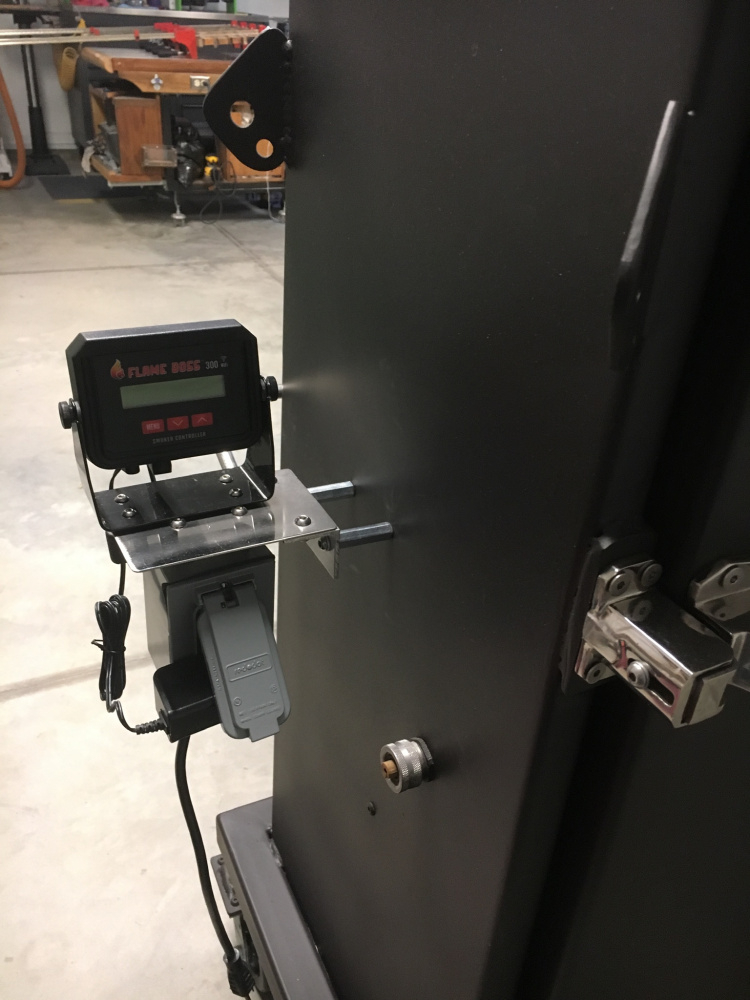
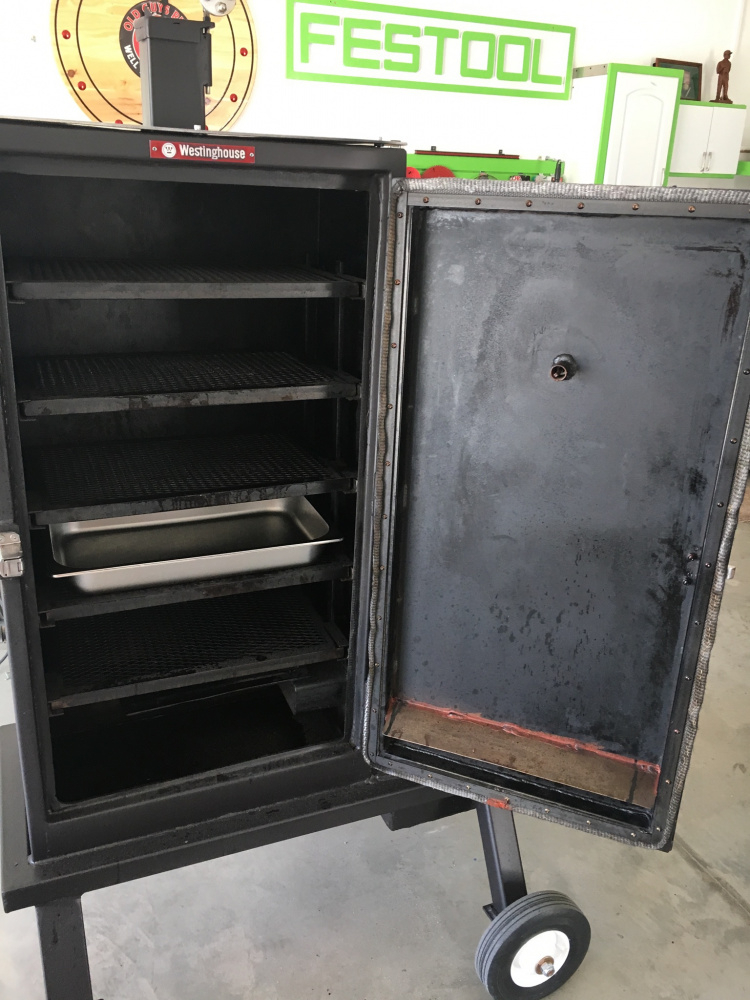


Categories
- All Categories
- 184K EggHead Forum
- 16.1K Forum List
- 461 EGGtoberfest
- 1.9K Forum Feedback
- 10.5K Off Topic
- 2.4K EGG Table Forum
- 1 Rules & Disclaimer
- 9.2K Cookbook
- 15 Valentines Day
- 118 Holiday Recipes
- 348 Appetizers
- 521 Baking
- 2.5K Beef
- 90 Desserts
- 167 Lamb
- 2.4K Pork
- 1.5K Poultry
- 33 Salads and Dressings
- 322 Sauces, Rubs, Marinades
- 548 Seafood
- 175 Sides
- 122 Soups, Stews, Chilis
- 40 Vegetarian
- 103 Vegetables
- 315 Health
- 293 Weight Loss Forum