Welcome to the EGGhead Forum - a great place to visit and packed with tips and EGGspert advice! You can also join the conversation and get more information and amazing kamado recipes by following Big Green Egg to Experience our World of Flavor™ at:
Want to see how the EGG is made? Click to Watch
Facebook | Twitter | Instagram | Pinterest | Youtube | Vimeo
Share your photos by tagging us and using the hashtag #BigGreenEgg.
Share your photos by tagging us and using the hashtag #BigGreenEgg.
Want to see how the EGG is made? Click to Watch
Need Help: Taking Meat Temperature Problems

kmellecker
Posts: 332
For a post Christmas treat, I cooked an 8.5# prime rib last night. I choose to cook it indirect at 300 with a reverse sear. At the 2 hour mark, the meat was at about 96 degrees but 45 min later I was getting readings with my Thermapen all over the place, from 137 to 154 degrees. Needless to say, I yanked it off and tented it because it was still over an hour to dinner, but knew I had one well done piece of meat on my hands. Much to my surprise, when I finally craved the meat it was a perfect medium rare on the rare side and my son-in-laws were fighting for the leftovers, not that they left very much. How did that happen? Any thought would be greatly appreciated.
Comments
-

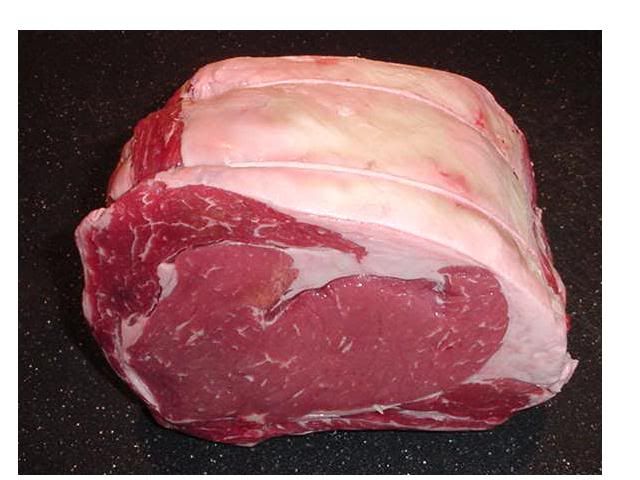
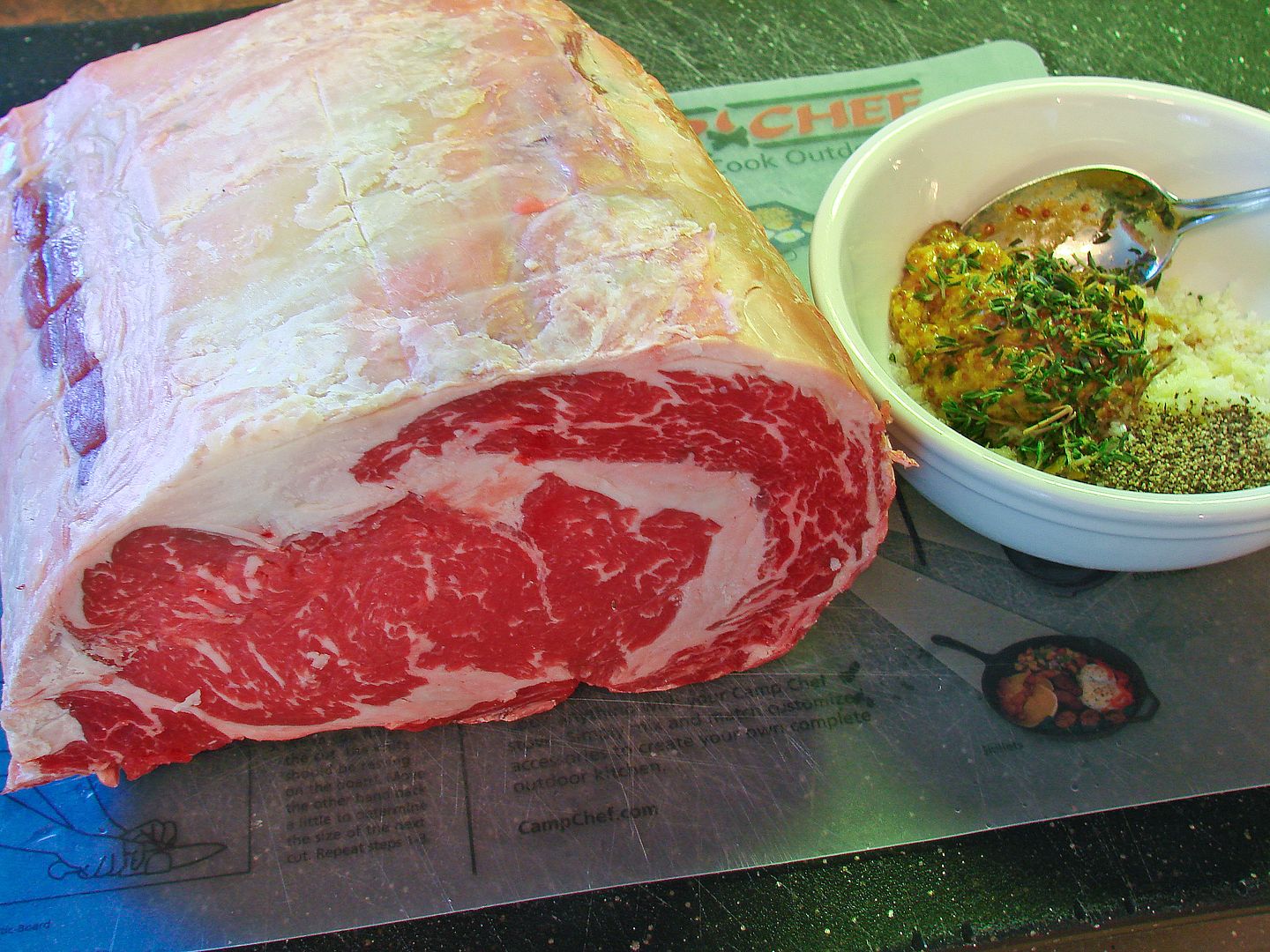
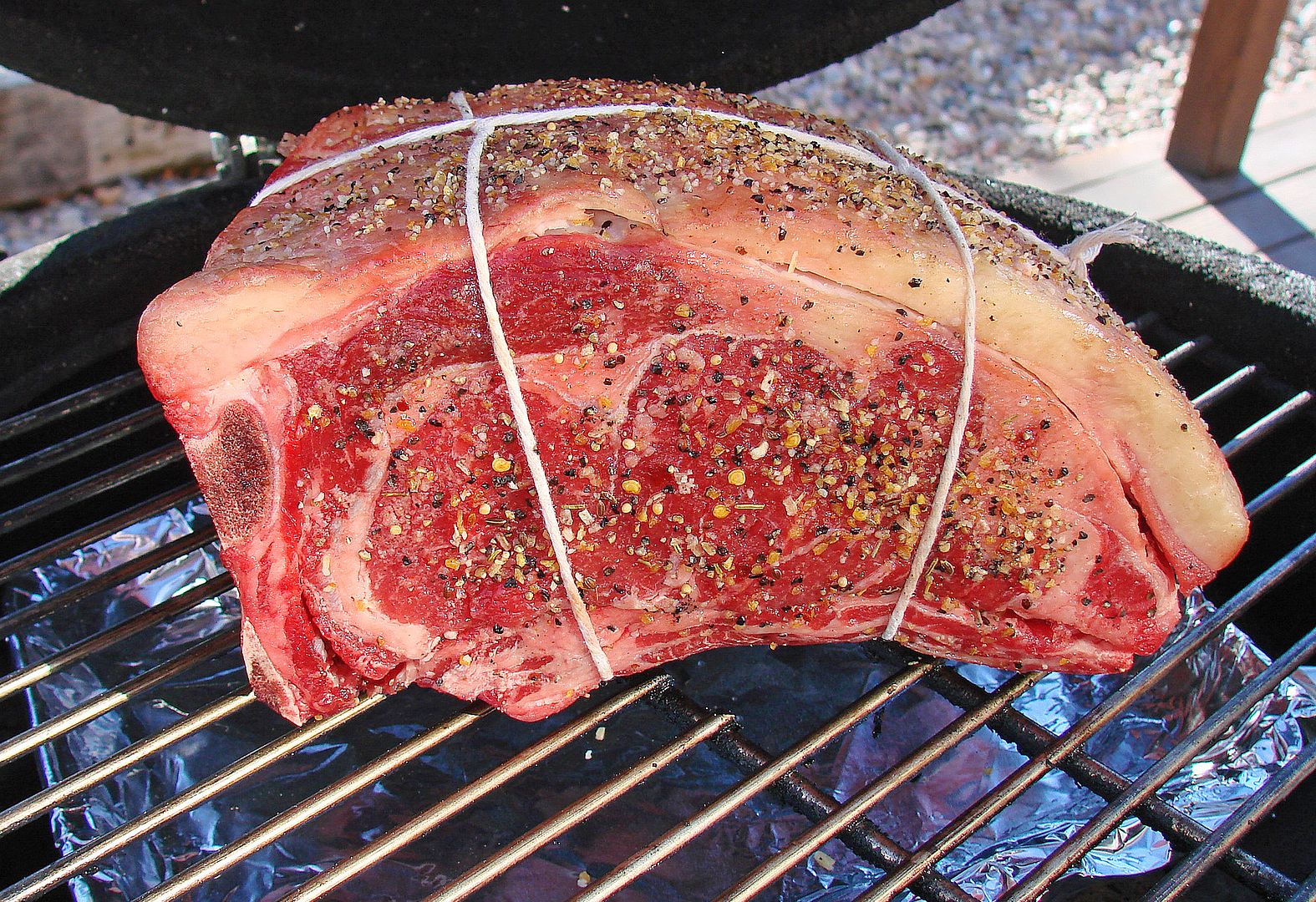
The muscle arrangement, non-symmetrical shape, amount of fat pockets and the slight change in (fat) density of the meat itself are all things that influence internal temperatures on a prime rib. That's why things like a pork loin are so predictable when cooking.
I would probably be better off with a single cable probe in the eye, but I do the same thing as you do .... check in several spots. I generally discount the thin areas as they will usually be a few degrees higher, and sort of average the readings I get in the eye.
Knowing that it's better to under cook than over cook, and liking a consistent doneness across the cross section of the roast, I cook at low temps 225° to 250°. If I notice my roast is cooking too fast for the estimated sit down time, I'll ramp the pit temp down (which is easier to do when cooking low), or even remove the roast for 10 or 15 minutes.Happy Trails~thirdeye~Barbecue is not rocket surgery -
On a thick cut of meat like a prime rib, insert the thermometer from the side at the meatiest (not fatty) part of the roast. Go in 3/4 the way up the thermometer aiming toward the other side of the roast. (not top down as so many do)
Let the thermometer sit there for 10-12 seconds...that is your best reading. -
I can see where I should have gone the low temperature route but I was trying to hedge the time a bit between the low and slow and the hot and fast methods to accommodate my dinner hour. I'm still amazed at the temperature differential from what the temperature reading was and the actual meat temperature which had to be closer to 127 - 130. Thanks for the insight.
-
I inserted the Thermapen from the top and only for a few seconds at each location. Your method makes a lot more sense. Thanks for taking the time to help.


Categories
- All Categories
- 184.1K EggHead Forum
- 15.8K Forum List
- 460 EGGtoberfest
- 1.9K Forum Feedback
- 10.4K Off Topic
- 2.2K EGG Table Forum
- 1 Rules & Disclaimer
- 9K Cookbook
- 13 Valentines Day
- 93 Holiday Recipes
- 224 Appetizers
- 520 Baking
- 2.5K Beef
- 88 Desserts
- 167 Lamb
- 2.4K Pork
- 1.5K Poultry
- 33 Salads and Dressings
- 324 Sauces, Rubs, Marinades
- 548 Seafood
- 175 Sides
- 122 Soups, Stews, Chilis
- 44 Vegetarian
- 102 Vegetables
- 313 Health
- 292 Weight Loss Forum